Coastal sailing since 1910
Keeping a Yacht in Kenya
Yachts for sale in Kenya
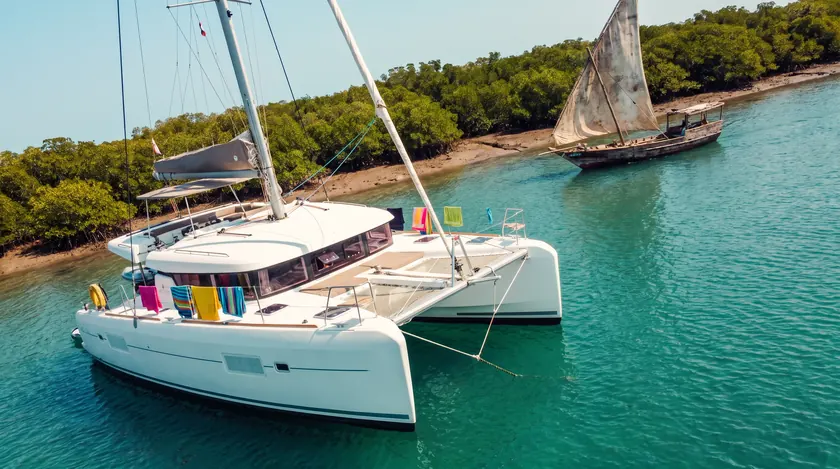
Catamarans and smaller cruisers from Mombasa and Kilifi
Yacht service in Kenya
Haul-out and maintenance through Kilifi Creek's boatyard
Coastal Kenya, Mombasa, Kilifi and Malindi, is the country's boating and sailing hub, with a century-old yacht-club culture layered onto a dive and game-fishing charter economy. Mombasa Yacht Club has raced on Kilindini Harbour since 1910, and Kilifi Yacht Club is locally described as home to almost every sailing yacht in the country.
Brokerage data from DailyBoats shows Mombasa-area boats running from about $50,000 up to roughly $100,600, with Kenya-wide listings reaching up to about $2.4 million at the top end. That is a smaller, more entry-level market than South Africa or Egypt, with catamarans and smaller cruisers dominating the listings.
A club culture with room to grow
Kilifi Creek's boatyard is the main haul-out and maintenance location on this coast, sitting inside the Kilifi Yacht Club grounds with a clubhouse and food and beverage facilities on site. There is no large-scale refit capacity here comparable to Cape Town, and crew tends to be sourced locally and informally rather than through international crew agencies.
The clearest sign of room to grow is the Kenya Ports Authority's planned development at Mtwapa Creek, where La Marina jetty already serves as a landing site for smaller yachts and calm-water sunset cruises. KPA has planned an artisanal fishing port there with added small-scale marina berths, a signal of formal berthing infrastructure catching up with demand rather than a finished facility today.
Marinas and yacht clubs
For how Kilifi and Mombasa compare with the rest of the continent's facilities, see our best marinas in Africa guide, and if your route continues east, our guide to sailing the Indian Ocean from Mauritius covers the wider crossing picture.
| Club / marina | City | What it offers |
|---|---|---|
| Kilifi Yacht Club | Kilifi | On Kilifi Creek, locally described as home to almost every sailing yacht in Kenya, clubhouse and food/beverage facilities inside the boatyard |
| Mombasa Yacht Club | Mombasa (Kilindini shore) | Founded 1910, racing on Kilindini Harbour, clubhouse with garden, restaurant/bar, pool and a boatyard for privately owned boats |
| English Point Marina | Nyali, Mombasa | Leisure marina and charter base on the Nyali side of Mombasa |
| Mtwapa Creek (La Marina jetty) | Mtwapa | Landing site for smaller yachts and calm-water sunset cruises, KPA has planned an artisanal fishing port with added small-scale marina berths |
Thinking of keeping a boat in Kenya? Tell us on WhatsApp.
Talk about KenyaRegistration and importing a boat
The Kenya Maritime Authority, KMA, requires registration for every vessel imported and used in Kenyan waters: no vessel may legally sail in Kenya without it. Paperwork includes Form 28A for registration, Form 28B to appoint an authorized representative, and Form 46 to give notice of a proposed name. This is a stricter, more absolute rule than Egypt's or Morocco's temporary-admission norm: it applies even to a private yacht based long-term at Kilifi or Mombasa.
Kenya applies the EAC Common External Tariff, with general customs duty ranging from 0 to 100 percent and an average around 25 percent, sensitive items higher. No yacht-specific ad-valorem figure was confirmed in our research, so verify the correct HS classification and rate with KRA or a clearing agent. VAT is more straightforward: Kenya's standard rate is 16 percent, applied to the sum of CIF value, duty and other applicable charges. One newer rule to flag: since 14 February 2025, all importers must obtain local marine cargo insurance, a digital cover from KRA and the Insurance Regulatory Authority, without which customs clearance cannot be secured. Confirm this is still in force and how it applies to your specific import before you plan around it.
Which boats suit this coast
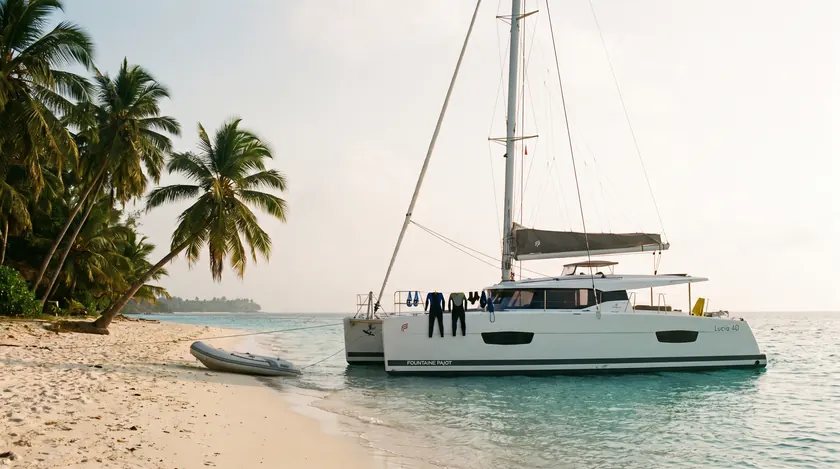
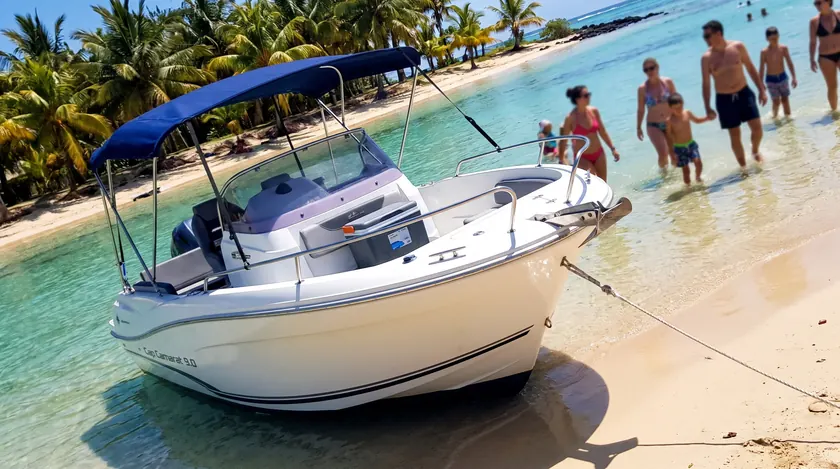
Catamarans and smaller cruisers dominate Kenya's listings, which points toward the Lagoon 42 and Fountaine Pajot Lucia 40, both realistic alternative catamaran brands with a meaningful secondhand presence in the wider Indian Ocean charter-resale market. For Watamu and Malindi's dive and snorkel day trips, a Jeanneau Cap Camarat 9.0 keeps things simple on outboard power.
For buyers drawn to the century-old sailing-club culture at Mombasa, a monohull such as the Beneteau Oceanis 46.1 suits the racing and cruising mix that club represents, with lower mooring costs than a catamaran of the same length since there is no beam surcharge to budget for.
Your questions, answered
Do I have to register my yacht if I keep it in Kenya long-term?
Yes. Kenya Maritime Authority registration is mandatory for every vessel imported and used in Kenyan waters, with no exception for a private yacht based long-term at Kilifi or Mombasa. Paperwork includes Form 28A, Form 28B and Form 46.
How much VAT and duty does Kenya charge on an imported boat?
VAT is a straightforward 16 percent, applied to CIF value plus duty and other charges. Customs duty follows the EAC Common External Tariff, generally 0 to 100 percent averaging around 25 percent, though no yacht-specific figure was confirmed, so verify with KRA or a clearing agent.
Is there a marine insurance requirement for importing a boat into Kenya?
Since 14 February 2025, importers have needed local marine cargo insurance, a digital cover issued through KRA and the Insurance Regulatory Authority, without which customs clearance cannot be secured. Confirm this rule is still in force before you plan your import.
Where is Kenya's boating scene actually based?
Coastal Kenya around Mombasa, Kilifi, Malindi and Watamu. Mombasa Yacht Club has raced on Kilindini Harbour since 1910, and Kilifi Yacht Club's creek is locally described as home to almost every sailing yacht in the country.
Talk to us about Kenya
Tell us the coast, the boat type and the budget, and we point you to the right contact.
Talk about Kenya