Lagos lagoon culture
Keeping a Yacht in Nigeria
Yachts for sale in Nigeria
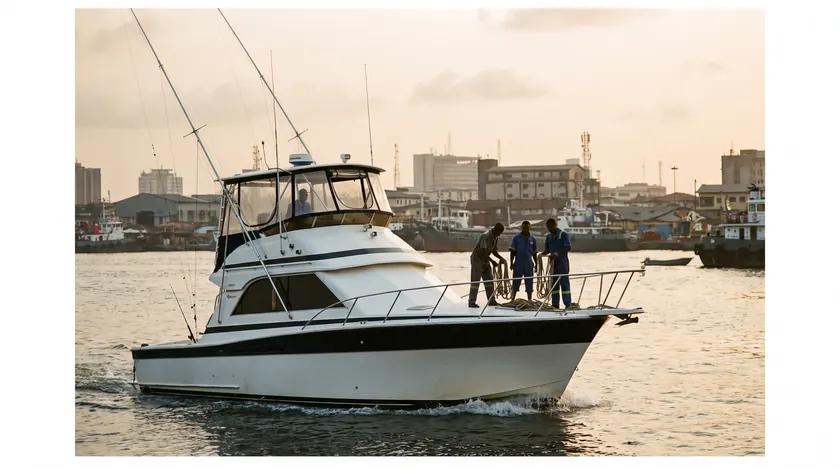
Powerboats, sportfishers and cruisers from Lagos and Port Harcourt
Yacht service in Nigeria
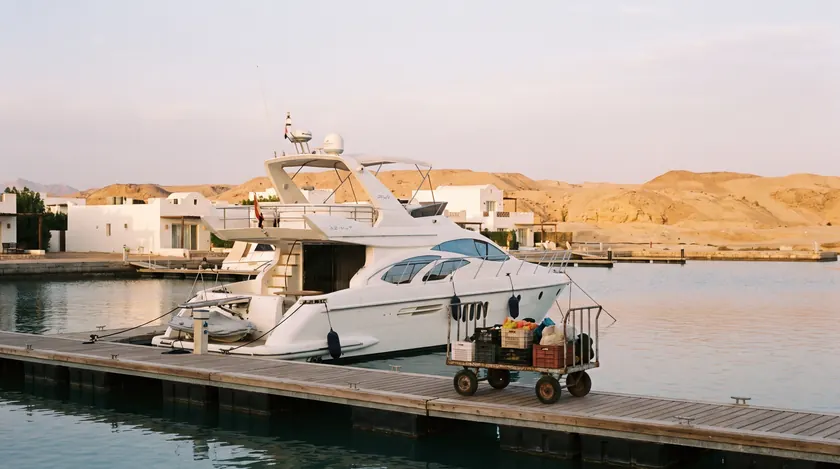
Servicing tied into the Lagos and Port Harcourt marine supply chain
Lagos's lagoon and creek scene, Ilubirin, Banana Island, Landmark, is Nigeria's real boating hub, driven by oil and gas sector wealth and a weekend lagoon culture. Powerboats, cruisers and center-console boats dominate, with a genuine niche in offshore sportfishing on the Atlantic tuna and marlin grounds.
Local classifieds such as Jiji.ng skew toward smaller, lower-value craft, many well under $500,000, while higher-end yachts are more often sold through international brokers such as YachtWorld or YATCO and then imported. Treat any market-size figure for Nigeria as directional only: verifiable brokerage data here is much thinner than for South Africa or Egypt.
Where the scene is growing
The Lagos Yacht Club, founded in 1932 on Lagos Island at Magazine Point, is Nigeria's oldest club and the established centre of gravity for the city's boating. Newer developments are layering onto that base: Ilubirin Lagoon Marina, envisioned by Foreshore Projects Limited, plans a harbour for around 50 small and medium craft including water taxis, alongside a yacht club with technical facilities and lounges. Several of Lagos's lagoon-front marina lifestyle developments are still phasing in construction, so verify current operational status and berth availability directly before relying on a specific opening date.
Formal refit and haul-out infrastructure is limited compared with South Africa. Most heavy servicing ties into the oil and gas marine-industry supply chain in Lagos and Port Harcourt rather than a dedicated leisure-yacht refit yard, and crew and management contacts run mainly through the Lagos Yacht Club network or expatriate brokers.
Clubs and marinas
| Club / marina | City | What it offers |
|---|---|---|
| Lagos Yacht Club | Lagos Island (Magazine Point) | Nigeria's oldest yacht club, founded 1932, runs a sailing programme and is the established centre of the Lagos boating scene |
| Ilubirin Lagoon Marina | Lagos Island | Newer waterfront development for around 50 small/medium craft including water taxis, plus a yacht club with technical facilities, verify current operational status directly |
Registration and importing a boat
The Nigerian Maritime Administration and Safety Agency, NIMASA, handles ship registration for Nigerian-flagged vessels, cabotage compliance, safety certification and crew certification. Registration paperwork reads closer to commercial-ship documentation than a simple pleasure-boat process: a bill of sale or builder's certificate, condition survey report, tonnage measurement certificate and load-line certificate are all referenced. Engines of 200 horsepower or more reportedly trigger separate pleasure-craft licensing requirements, so confirm current thresholds directly with NIMASA rather than assuming a private exemption applies.
Nigeria Customs Service assesses duty on essentially all commercial imports, with cited rates from 0 percent on exempt categories up to 35 percent or more on protected goods, depending on HS classification and declared use. No single confirmed ad-valorem percentage for private pleasure yachts turned up in our research, so verify the correct HS code and rate with a licensed Nigerian customs clearing agent. Landed cost stacks the purchase price, freight, marine insurance commonly cited at 0.75 to 2 percent of vessel value, import duty, VAT, port charges, clearing-agent fees and inland transport, with RoRo, flat-rack, container and lift-on/lift-off shipping all in use and typical transit times of two to six weeks. Our importing a yacht to South Africa or Nigeria guide walks through the full stack with South Africa's numbers alongside it for comparison.
Thinking of keeping a boat in Nigeria? Tell us on WhatsApp.
Talk about NigeriaWhich boats suit Lagos
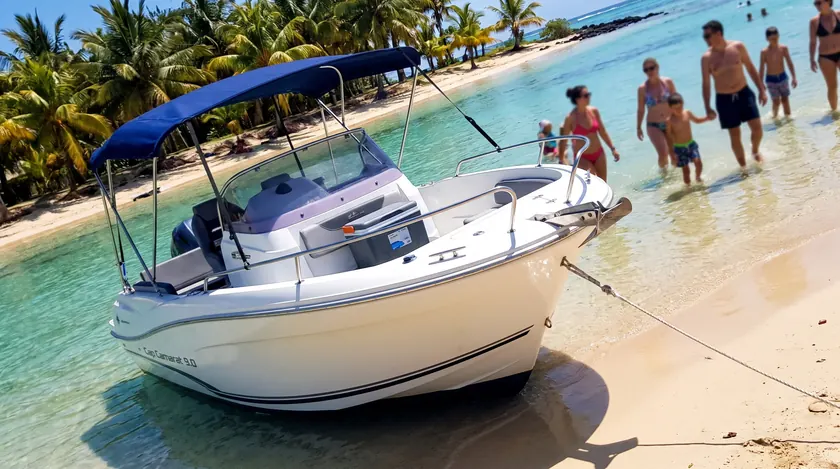
The dominant local category, center consoles and cruisers for lagoon weekends, points straight at the Jeanneau Cap Camarat 9.0: outboard power keeps servicing simple, some configurations are trailerable, and it carries up to 10 or 11 people at around 45 knots. For the confirmed offshore sportfishing niche on the Atlantic tuna and marlin grounds, the Bertram 61 Convertible fits the brief, though the actual used-boat market for it locally is thin and mostly served through international brokers rather than local listings, worth validating with a broker before committing significant budget to it.
For the oil-and-gas-wealth end of the lagoon scene, a flybridge motor yacht such as the Azimut 55 or a sports cruiser like the Sunseeker Portofino 53 matches the powerboat-heavy culture Jiji.ng and international brokers both point to, though budget for fuel burn well above any sailing model.
Your questions, answered
Where is Nigeria's boating scene actually based?
Almost entirely in Lagos, on the lagoon and creek system around Ilubirin, Banana Island and Landmark. The Lagos Yacht Club, founded in 1932, remains the established centre of gravity, with Port Harcourt as a secondary base tied to the oil and gas industry.
What does NIMASA require to register a private yacht?
Paperwork references documents like a bill of sale or builder's certificate, a condition survey report, a tonnage measurement certificate and a load-line certificate, closer to commercial-ship requirements than a simple pleasure-boat process. Engines of 200 horsepower or more reportedly trigger separate licensing, so confirm current requirements with NIMASA directly.
What does it cost to bring a yacht into Nigeria?
Landed cost stacks purchase price, freight, marine insurance around 0.75 to 2 percent of vessel value, import duty, VAT, port charges, clearing-agent fees and inland transport. Duty itself ranges from 0 percent to 35 percent or more depending on HS classification, so get the exact code and rate from a licensed Nigerian customs clearing agent.
Is it easier to buy a yacht locally in Nigeria or import one?
Local classifieds like Jiji.ng mostly carry smaller, lower-value craft. Higher-end yachts are more often sourced through international brokers such as YachtWorld or YATCO and then imported, with customs clearance and port congestion the main friction points to plan around.
Talk to us about Nigeria
Tell us the budget, the boat type and whether you are buying locally or importing, and we take it from there.
Talk about Nigeria